
Walk into any big-box store in November and you'll find Christmas lights for twenty dollars a box. They look fine on the shelf. Then you hang them, half the string dies by New Year's, the whites don't match, and by next November they're in the garbage. There's a reason for that — and it's the whole reason we use the lights we use.
What "highest quality" actually means
We install commercial-grade C9 LED lights — the same kind the pros use, from christmaslightsupplies.ca. The difference isn't the glow, it's everything around it. Heavier-gauge wire that doesn't crack in the cold. Sealed sockets that keep snow and rain out. Bulbs that screw in and out individually, so one dead bulb is a thirty-second swap instead of a dead string. And colour that actually matches: every bulb the same warm white, right across the house, year after year. Retail strings are built to be thrown away. Commercial lights are built to be taken down, stored, and hung again — which is exactly what our lease model depends on.
LEDs aren't just about the power bill
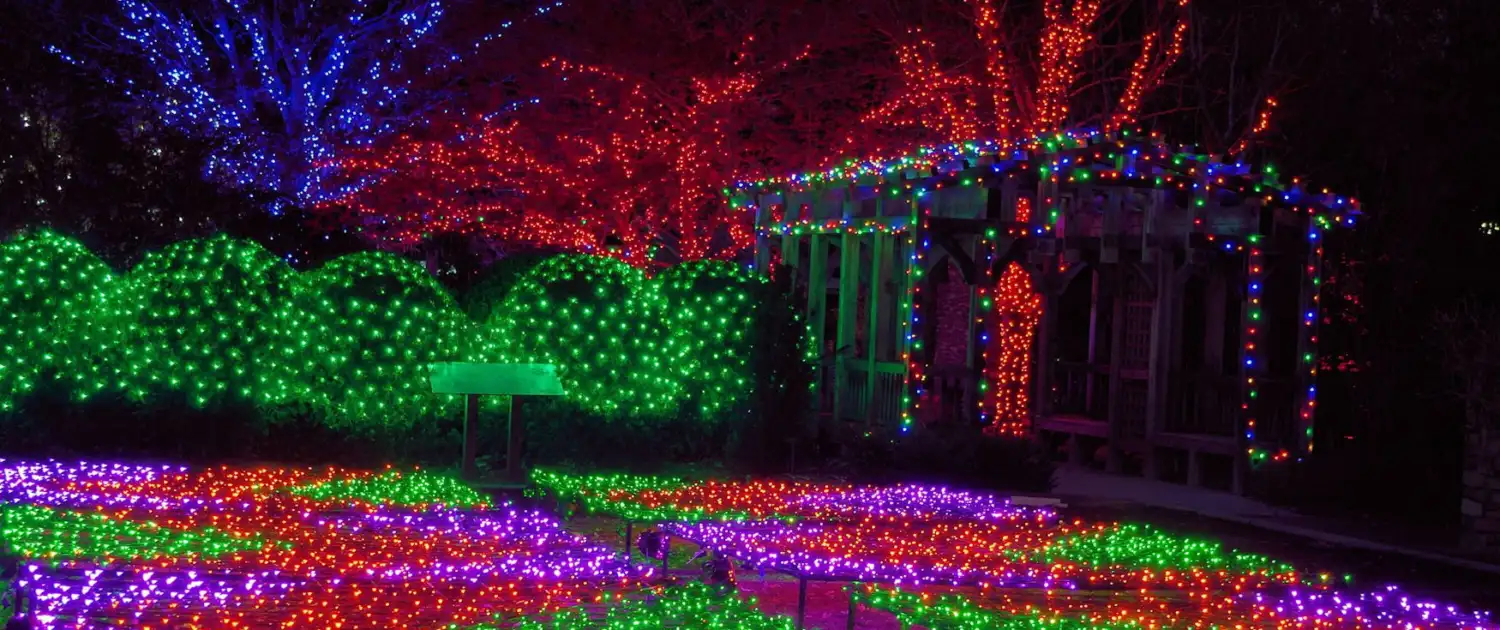
LEDs use a fraction of the electricity incandescent bulbs do, which matters when you've got a few hundred feet of them. But the bigger deal is heat — or rather, the lack of it. LEDs run cool. Old incandescent strings run hot enough to dry out needles, scorch gutters and, in the worst case, start a fire. Cool-running lights on a cold roof in December is not a small thing. It's the difference between decoration and hazard.
The safety equipment nobody sees
The lights get the attention, but the safety gear is what lets you sleep at night. Every install we do includes two pieces of equipment that most DIY jobs skip entirely.
A surge protector. Winter storms mean power spikes, and a spike can fry a whole run of lights in a second — or worse. A surge protector takes the hit so your lights, and your house wiring, don't have to.
An automatic timer. The lights come on at dusk and switch off on their own — no forgetting them on all night, no lights burning while everyone's asleep, less energy, less heat, less risk. It also means the display looks the same every night, without anyone having to think about it.
And the rest of the unglamorous stuff matters just as much: outdoor-rated cords, circuits that aren't overloaded, GFCI-protected outdoor outlets, and clips — never nails or staples. A staple through a wire is a short circuit waiting for a snowfall. We use clips, because the wire stays intact.
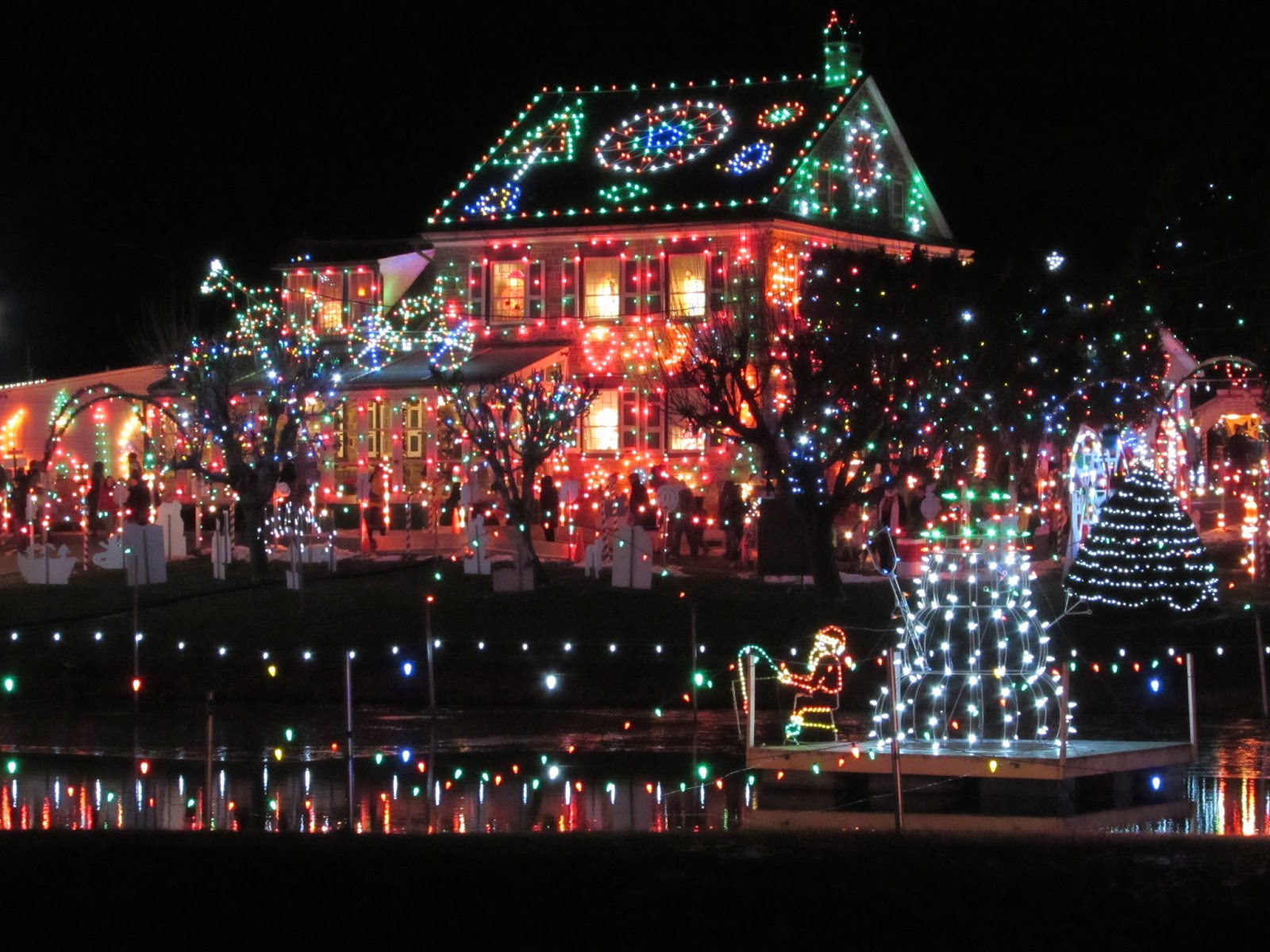
Measured, built, then hung
Here's how a professional install actually works. We measure your house first and quote it per linear foot. Then we cut the wire to fit your house — at home, on a bench, not on a ladder in December — and install the bulbs before install day. On site, the work is hanging pre-built runs, not wrestling with tangled strings on a roof. It's faster, it's cleaner, and nobody's up there longer than they need to be.
The ladder stays in the garage
That's the whole point, really. The lights are better, the safety gear is in place, and you never climb a ladder in the dark and the cold. If you want your house lit this Christmas, we'll measure it, quote it, and take care of the rest — including taking it all down in January and storing it until next year.
Free quotes: visit greenlii.com or call 1-84-GREENLII. Serving Coldstream & Vernon, BC.
— Kevin Christie, Greenlii Lawn & Landscape, Coldstream & Vernon, BC